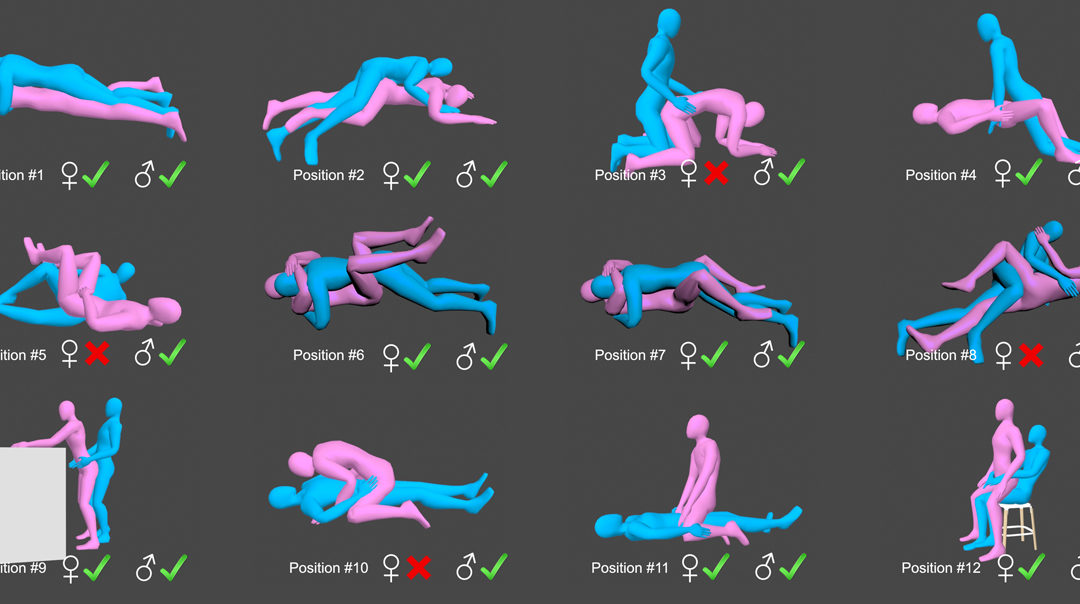
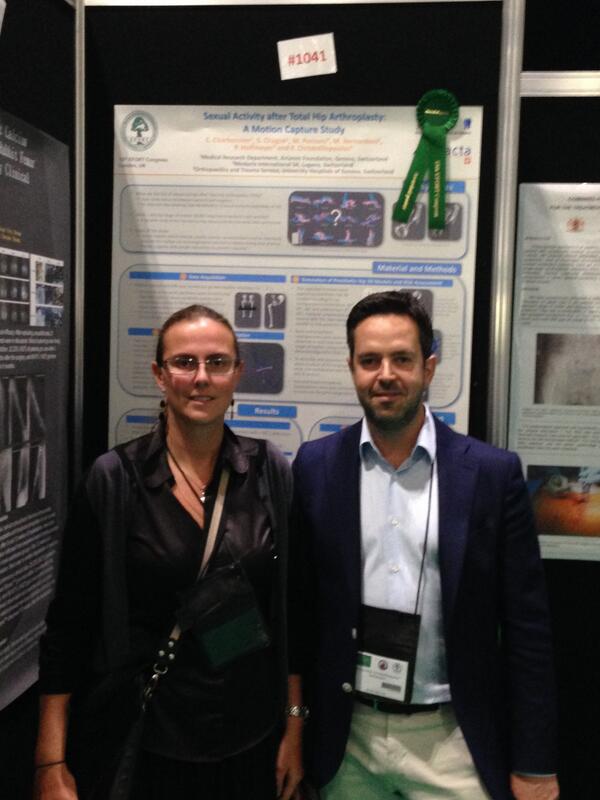
What are the risks related to sexual activity after total hip arthroplasty? This is the question Artanim’s researchers tried to answer in a motion capture study published in the Journal of Arthroplasty. Artanim joined forces with a surgeon from the University Hospitals of Geneva, Dr. Christofilopoulos, to provide the first scientific guidelines for hip transplant patients wanting safe, pain-free sex. Post-operative intercourse for people who’ve undergone hip replacement surgery can be stressful and risky but, for at least one patient, the guidelines are putting the joy back into sex. Watch the story of Reuters TV.
This research received a special distinction for the best discussion of the poster entitled: “Sexual Activity after Total Hip Arthroplasty: A Motion Capture Study” at the 15th Annual Congress of the European Federation of National Associations of Orthopaedics and Traumatology (EFORT) in London.
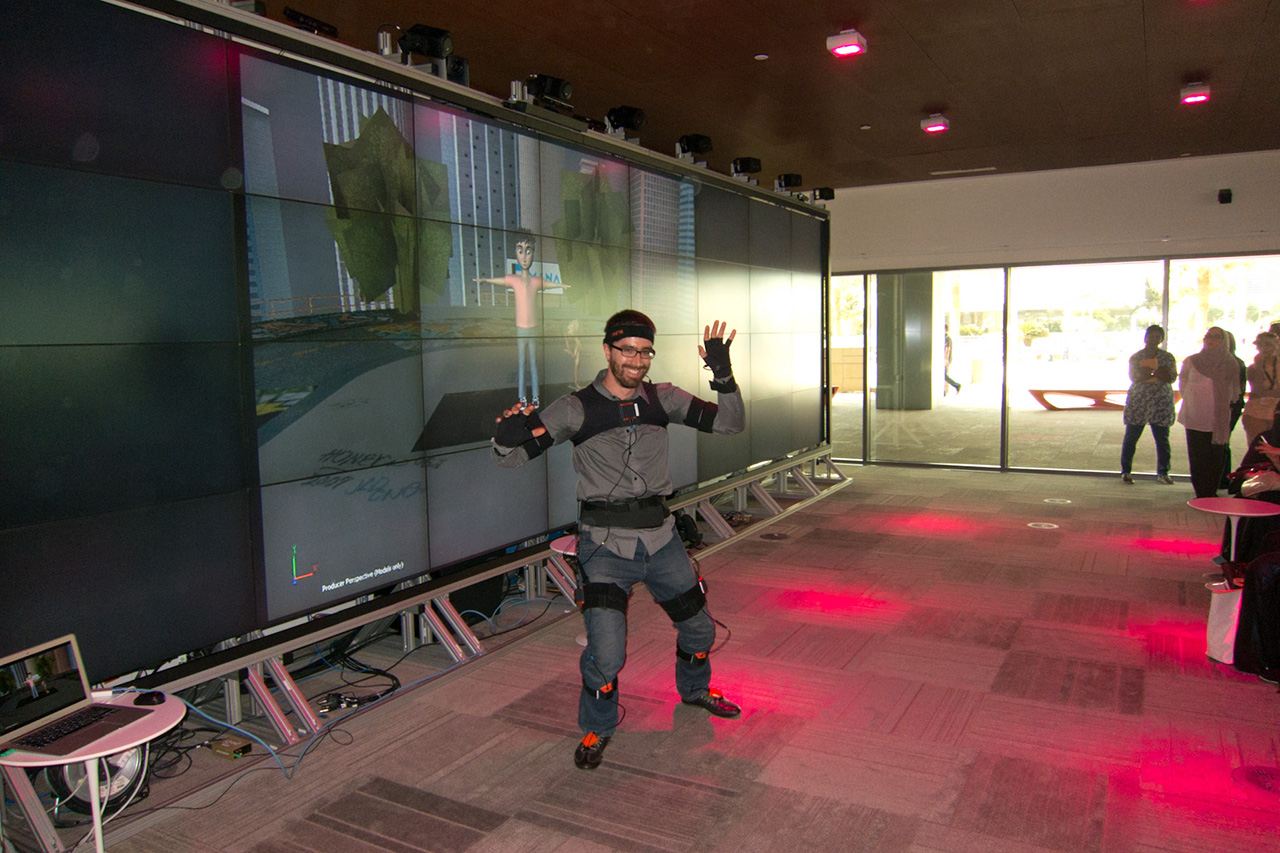
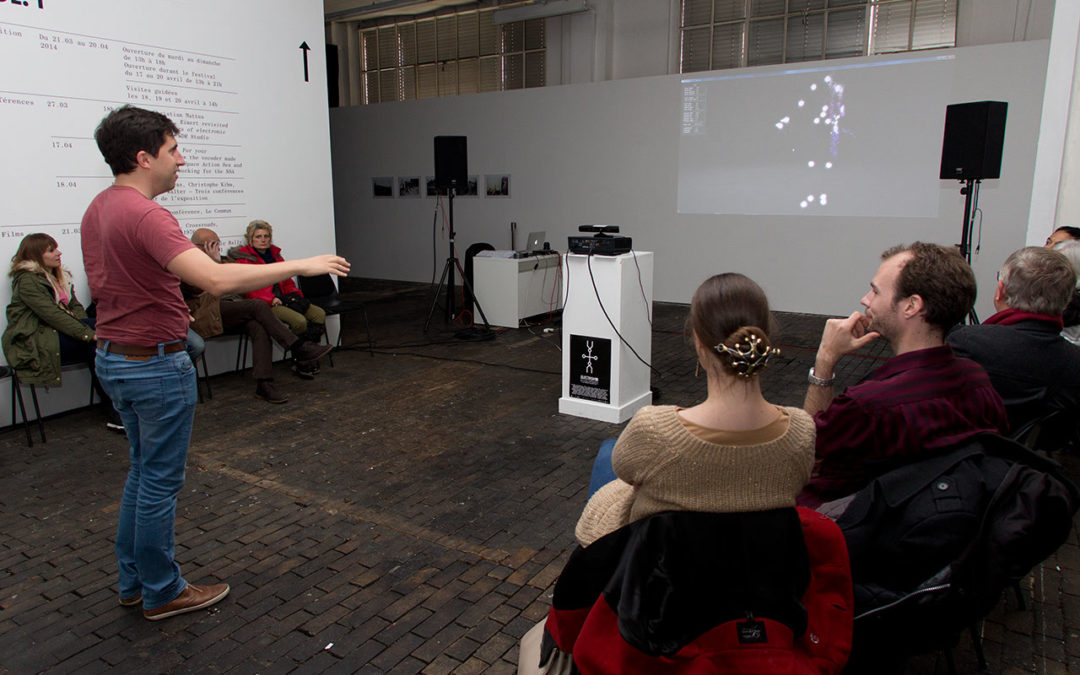
In collaboration with Alain Renaud from MINTLab, we gave on the 20th of April a workshop at Electron Festival in Geneva. At this occasion, we presented the 3D In Motion (3DIM) experimental setup of capture, visualization and sonification of movements in real time. About twenty people participated to the workshop, where they had the opportunity to test the system and to learn more about the underlying techniques.
It was the first time 3DIM was officially presented to the public and the feedback was positive. This gave us a good basis for further developing the system both in terms of visualization and musicality. The next demonstration will take place in June at the New Interfaces for Musical Expression (NIME) Conference in London.
So you have an animation and simulation project, and want to scan people to get their high-resolution 3D meshes. At that point you have wide variety of different options based on different capture technologies, big bulky machines, hand-held devices and scanners that can take quite a while to obtain a scan. So what do you do when you don’t necessarily have a lot of permanent space, when you ideally want to obtain a scan in a single shot, and you want to do all that on a budget? Well, you build your own solution of course.
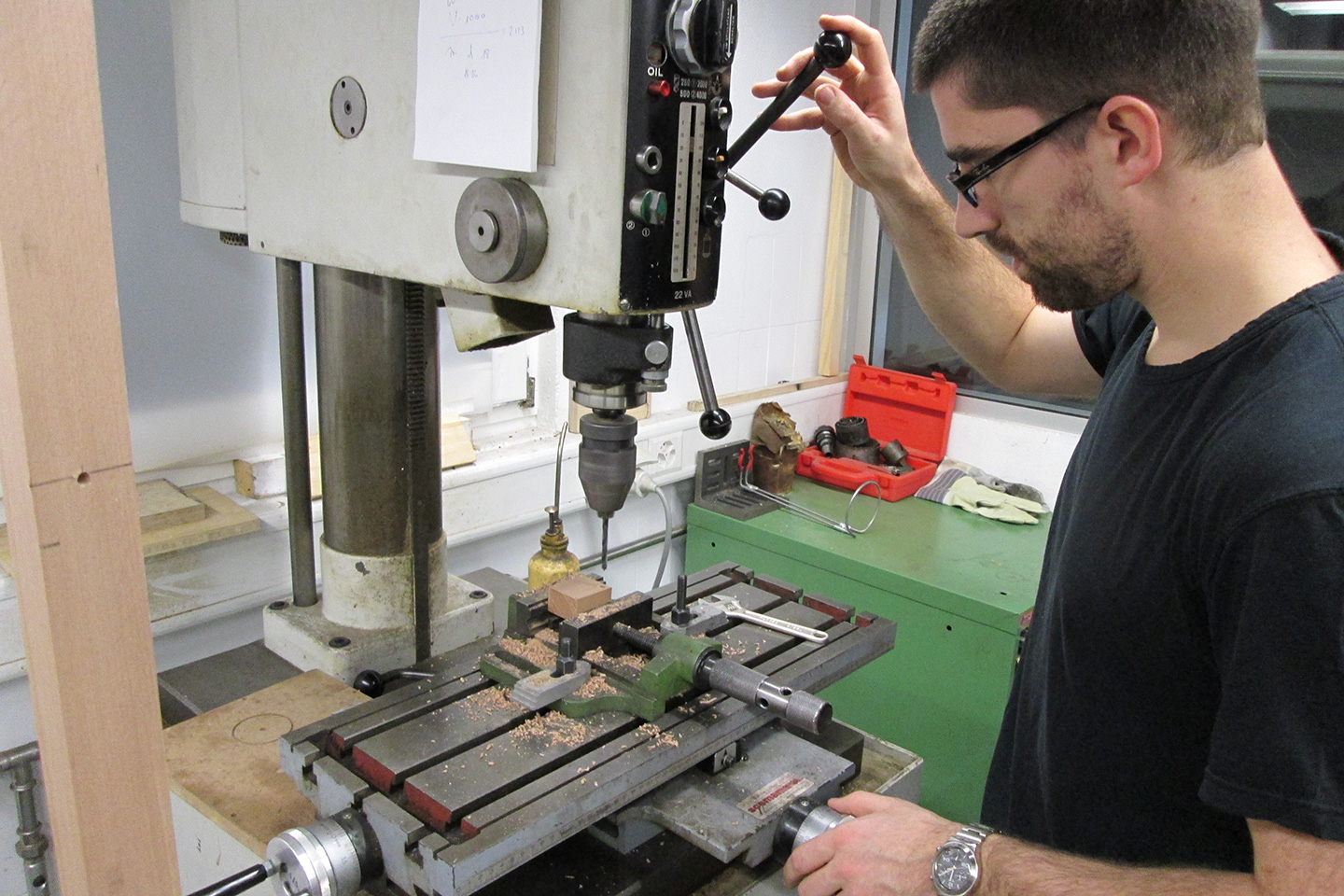
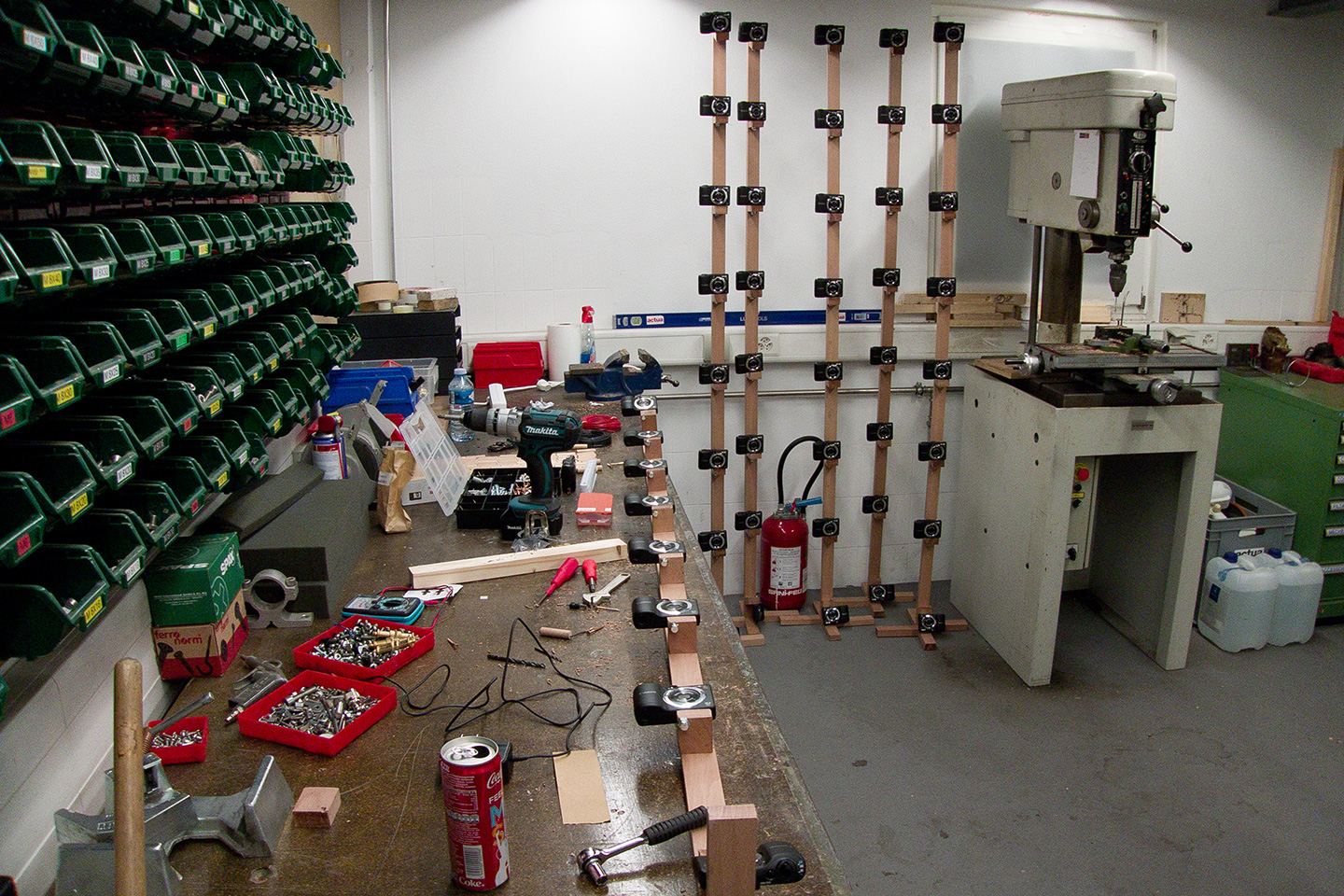
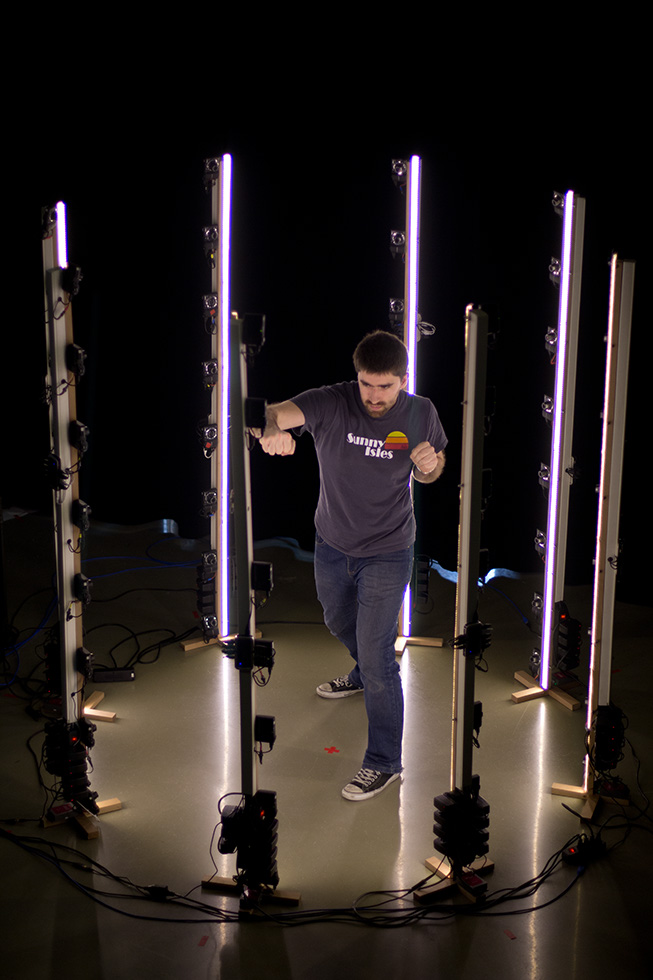
You visit your local camera vendor, and empty their basket of 64 Canon Powershot A1400 cameras, which should suffice to build 8 portable 3D scanning poles. Throw in a significant amount of USB cables, add some USB hubs, grab some wood and hardware from your local DIY store, add some bright LED strip for lighting, and you have all the ingredients necessary to build your own scanner.
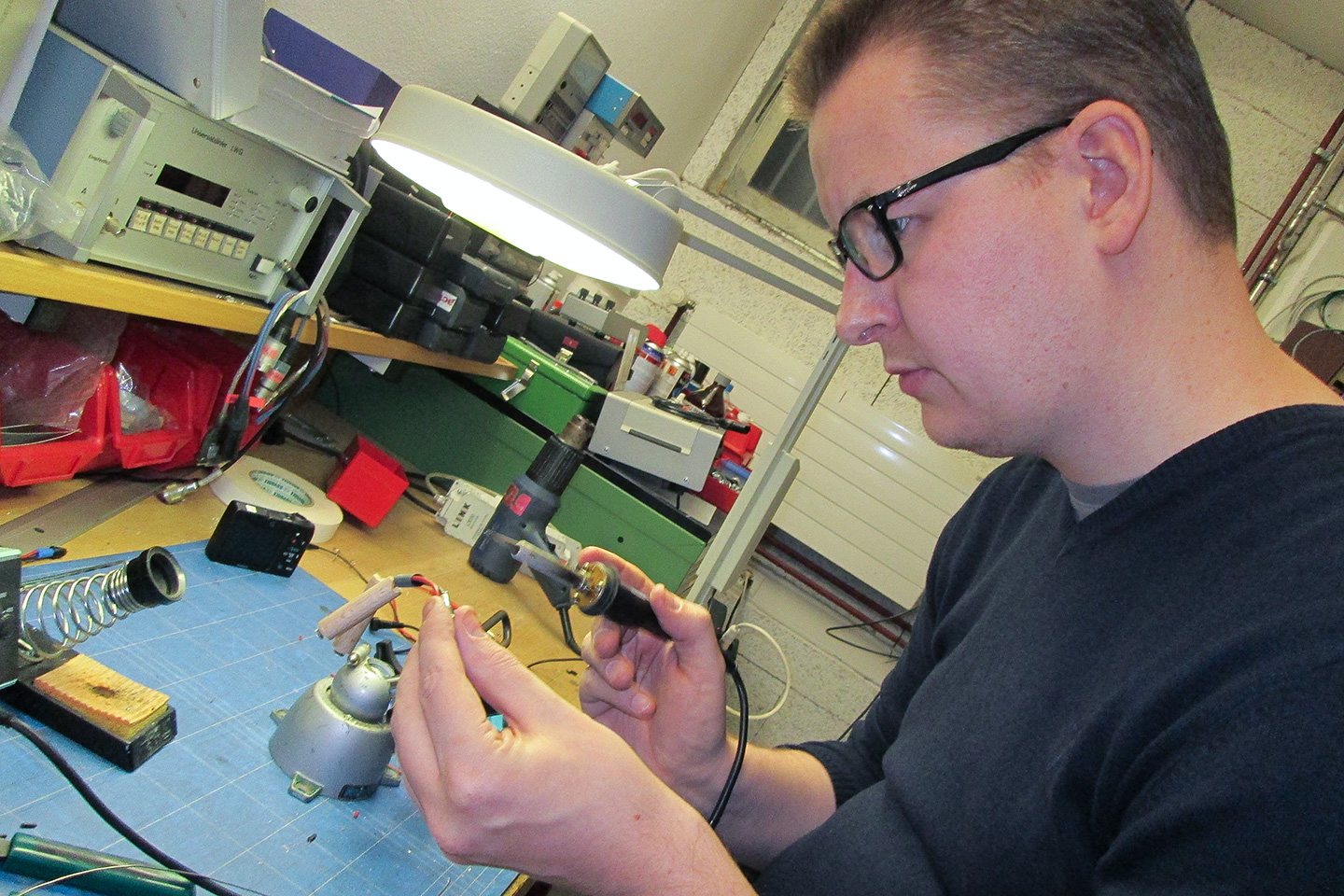
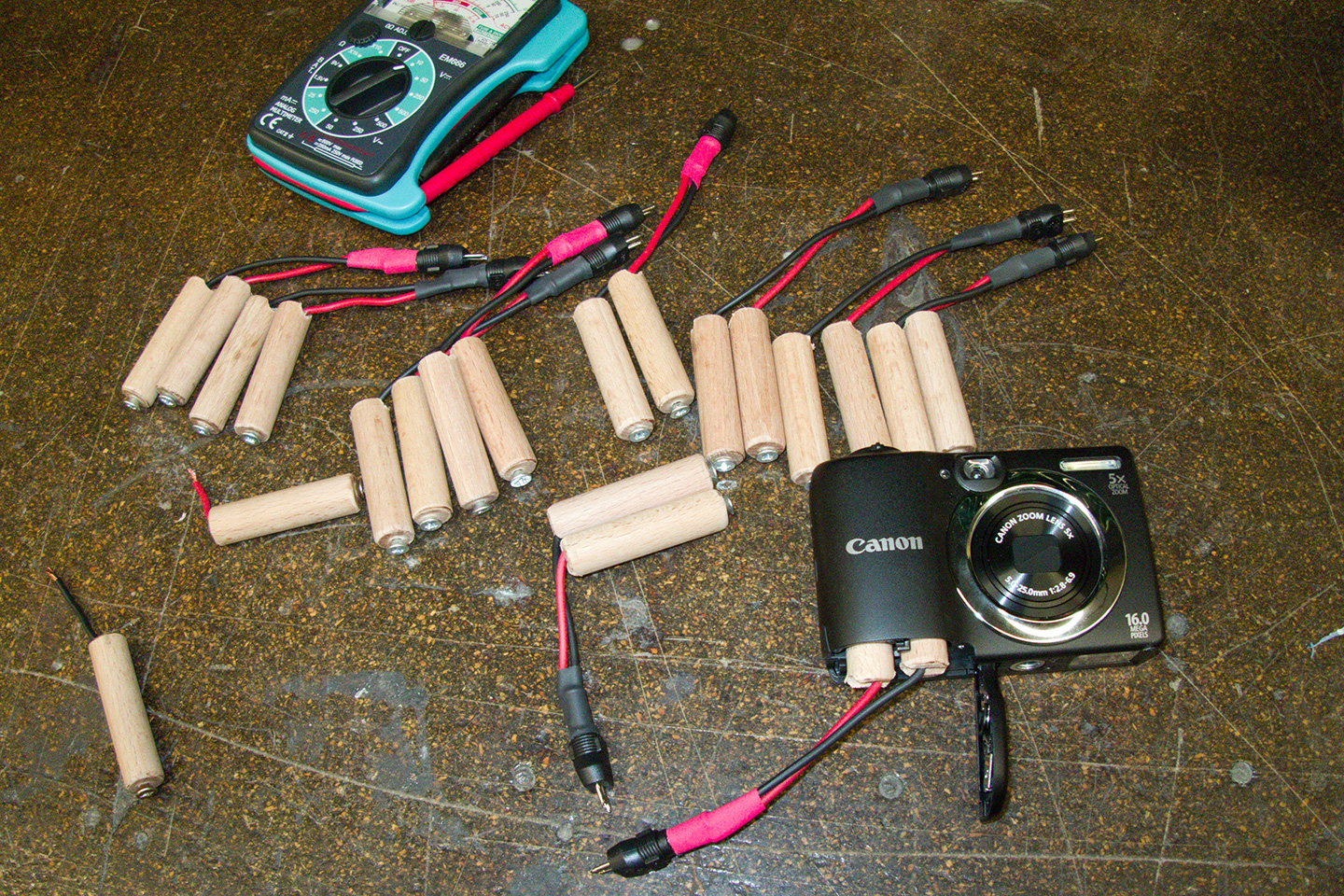
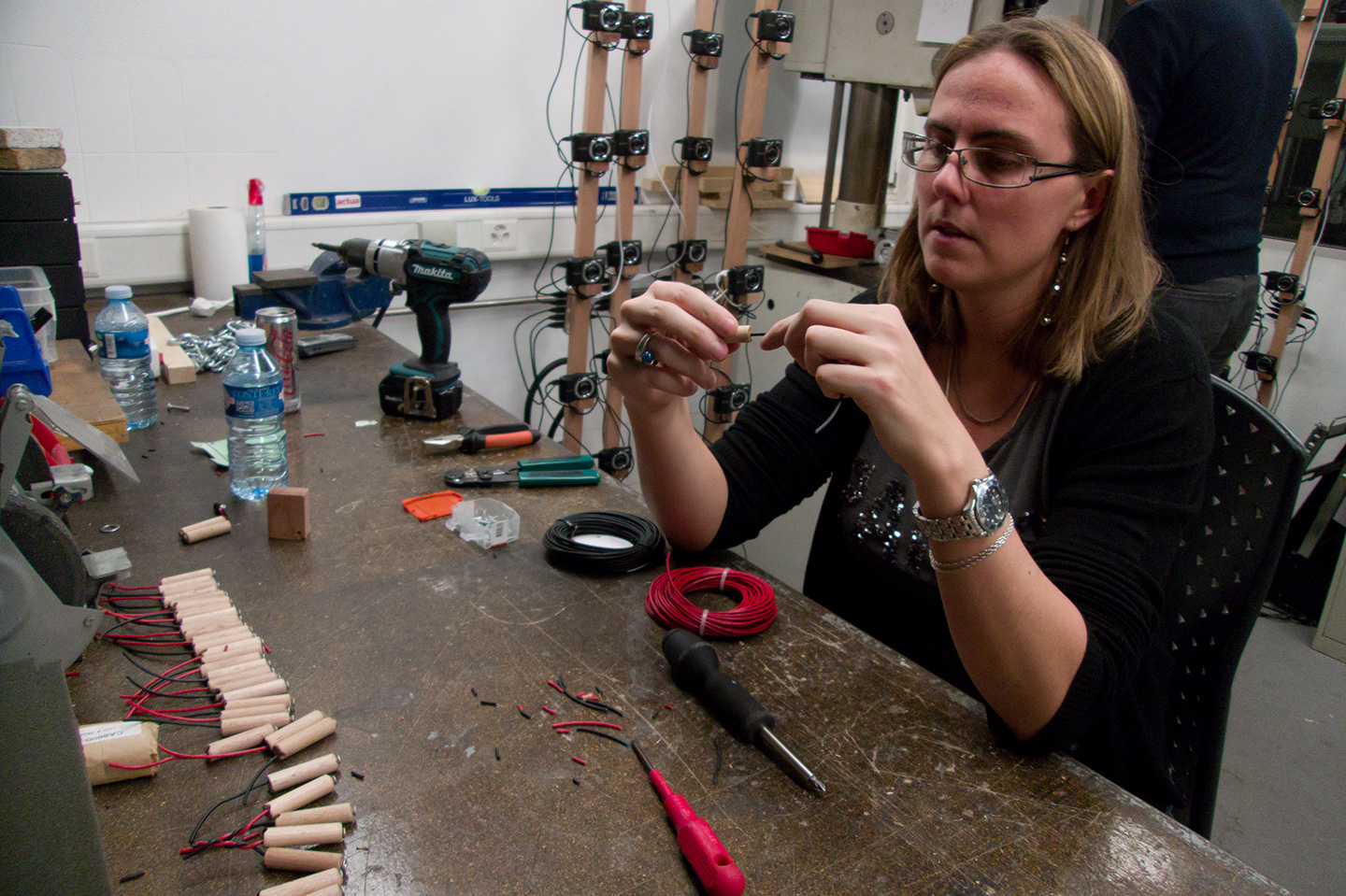
Being the efficient people that we are, the idea of having to charge and replace the batteries for 64 individual cameras at each session did not sound like the most effective solution. So external power it is. Unfortunately the official adapter comes at a cost. And with us not being all that patient when it comes to seeing results of our labour, an ordering time of several weeks made us wonder “If we’re building the whole thing ourselves, surely we can make our own external power supplies as well”. And as soon as we have such thoughts, a “battery” assembly line springs to life, wiring up the wooden batteries and soldering the power-supply connectors.
The construction:
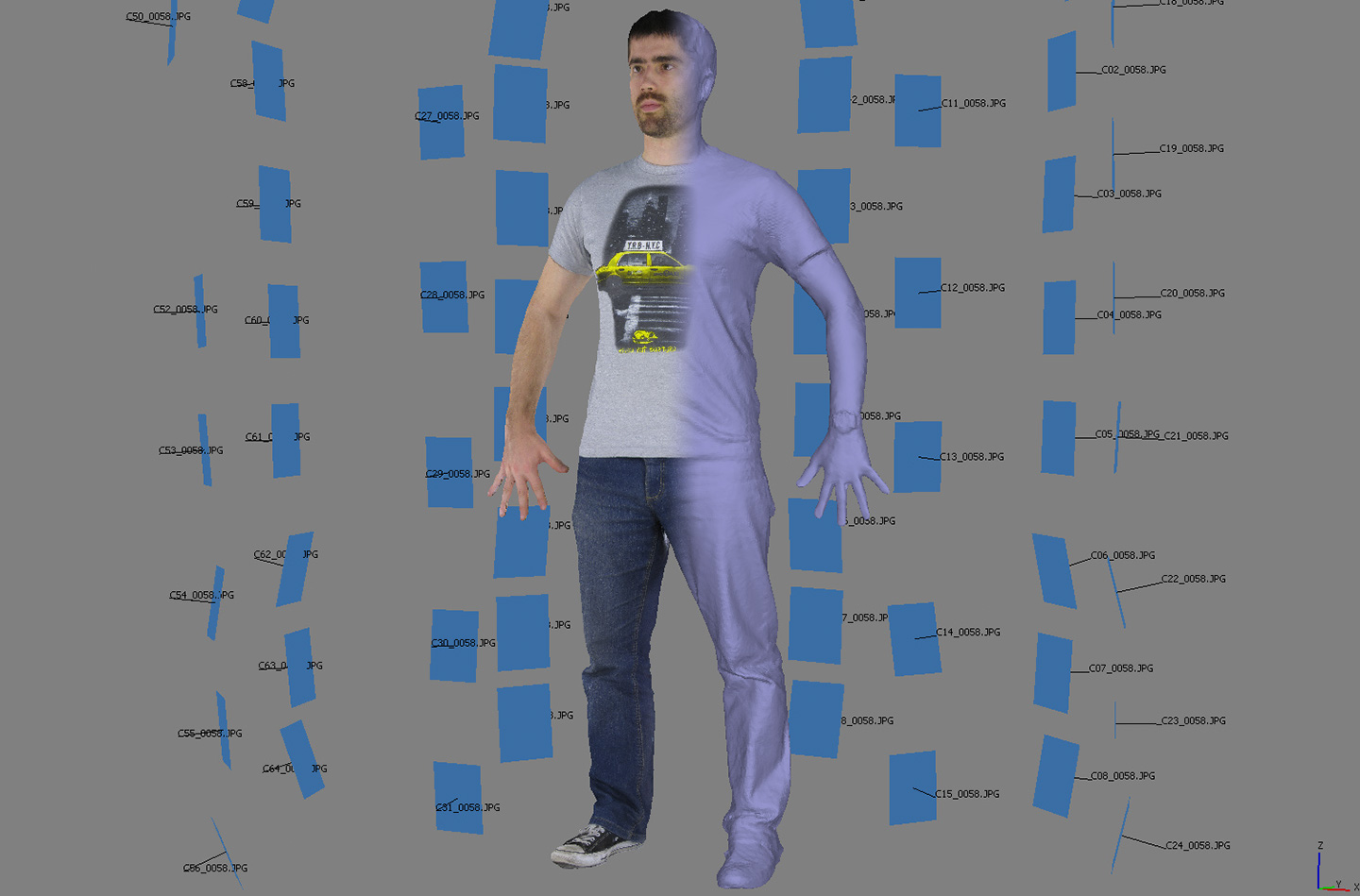
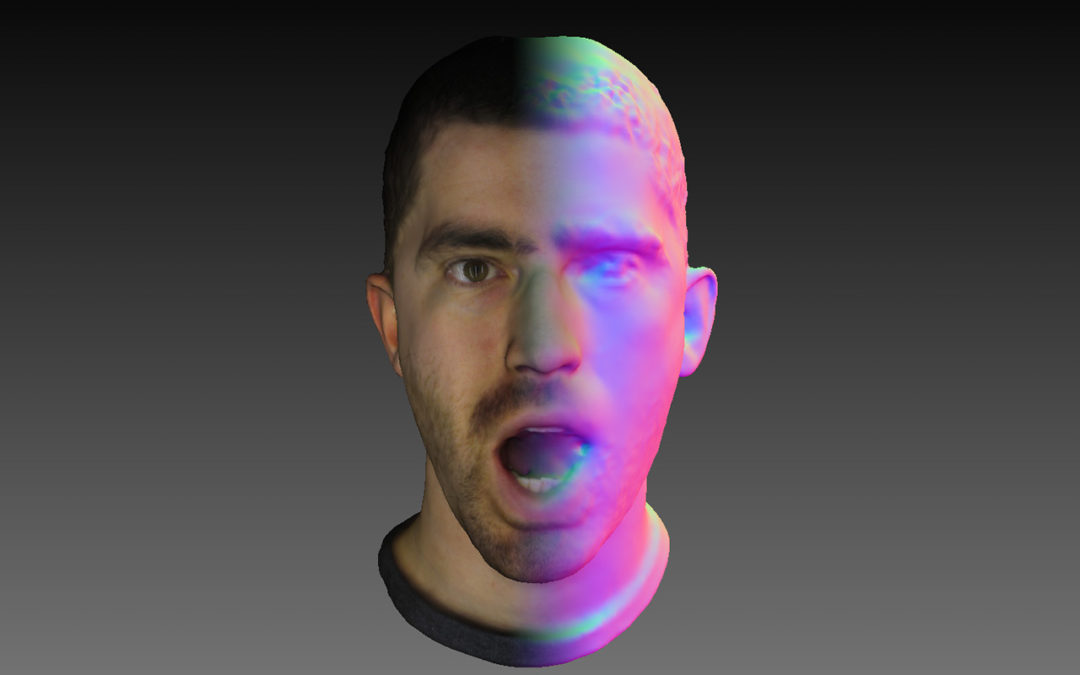
On the software side the Canon Hack Development Kit (CHDK) allows us to control all 64 cameras using custom scripts. With all cameras pretty much synchronized, we don’t have to worry too much about minor movements of the scanned subject, as long as the shutter time is fairly short. The actual capture process has completed in the blink of an eye. Processing the captured images into a 3D mesh and a clean texture uses Agisoft PhotoScan software, and requires only minimal manual tweaks. For animation some additional cleanup and remeshing might be necessary in other software, but the raw results obtained are already very detailed and usable.
And there you have it. Eight very portable and storable scanning poles, allowing us to capture bodies or objects at a sufficiently high resolution and in a short time.
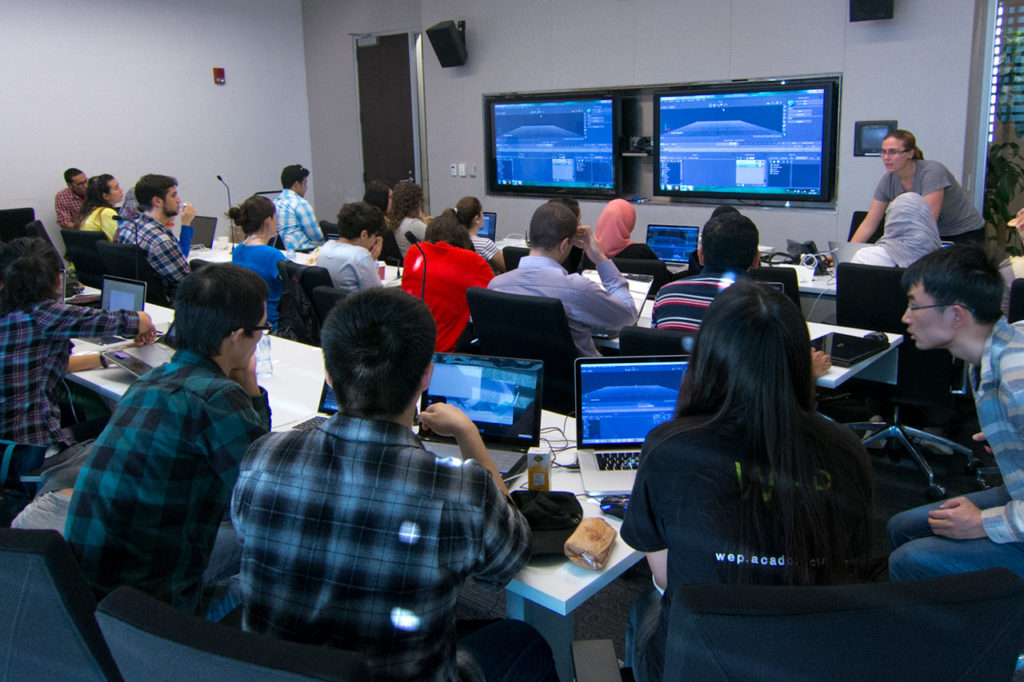
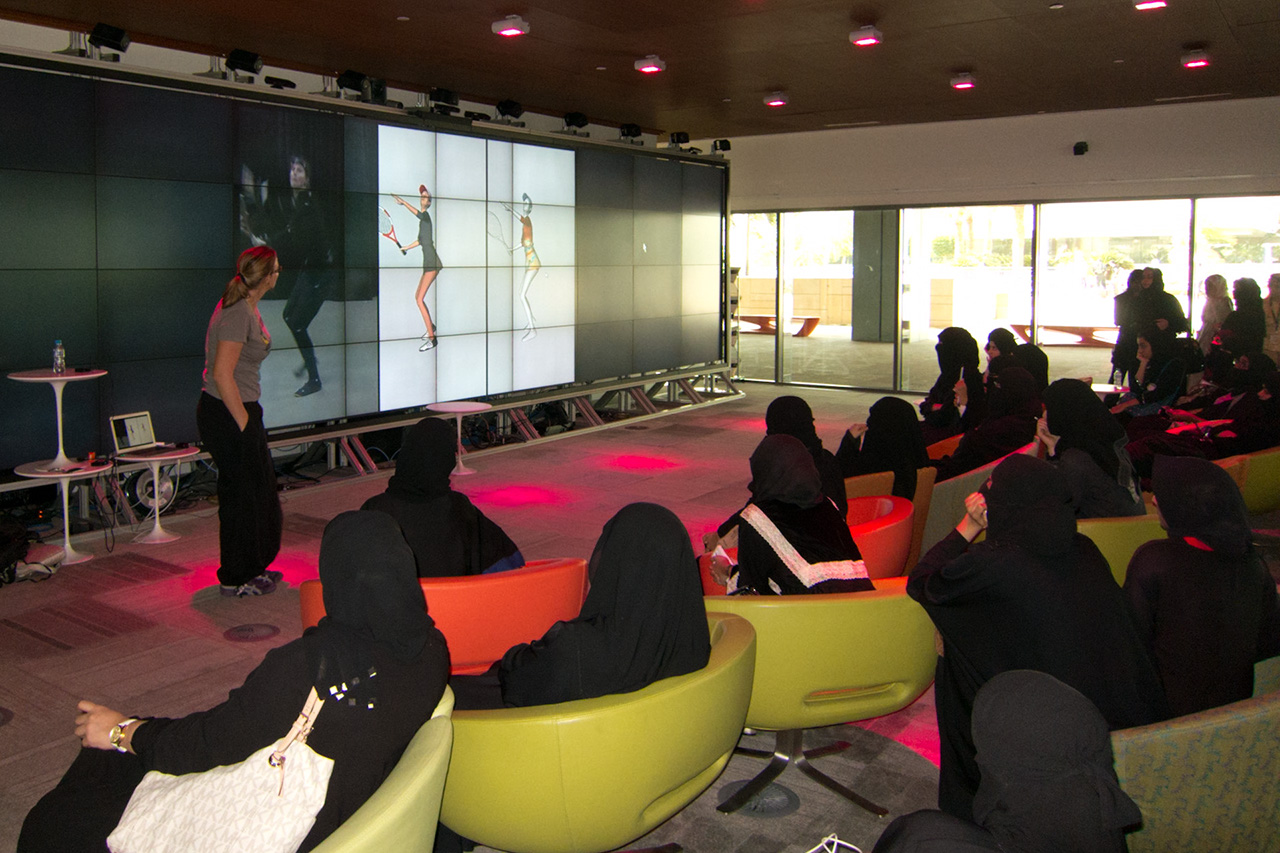
Last week, we were invited at the Winter Enrichment Program (WEP) 2014, a three weeks of compelling educational, cultural and recreational events organized by the King Abdullah University of Science and Technology (KAUST) in Jeddah (Saudi Arabia). There, we did a 3 half day workshop on Motion Capture and 3D animation for the students of KAUST. Participants had the chance to test our Xsens MVN system and to follow a course on the challenges related to Mocap and 3D character modeling/animation through case studies and practical examples. According to students feedback, they really enjoyed the workshop!
Also, we participated to the Science Fun Fair, an opportunity for the community and schools from Saudi Arabia to come and learn about the science at KAUST. At this occasion, we did motion capture demos and showed several videos about our latest projects.
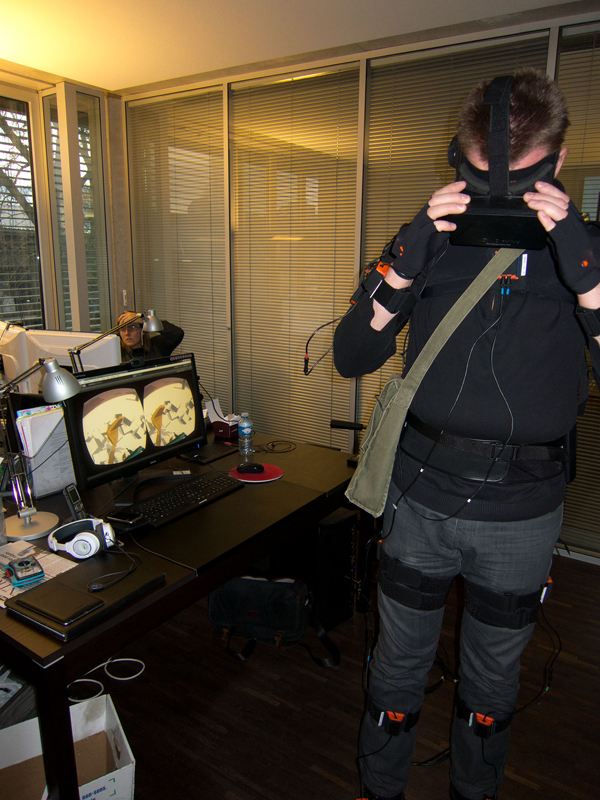
Yesterday, we tested with Tobias Baumann, game designer and freelancer, the Oculus Rift with our Xsens MVN in Unity 3D. The goal was to virtually hit columns of cubes and balloons. Some simple applications to start with, but resulting in a nice full-body immersive VR experience. The first tests were convincing. We will definitely continue working on this topic with Tobias. Stay tuned!



 So you have an animation and simulation project, and want to scan people to get their high-resolution 3D meshes. At that point you have wide variety of different options based on different capture technologies, big bulky machines, hand-held devices and scanners that can take quite a while to obtain a scan. So what do you do when you don’t necessarily have a lot of permanent space, when you ideally want to obtain a scan in a single shot, and you want to do all that on a budget? Well, you build your own solution of course.